Instruments
Six guided programs, written instrument by instrument.
Piano, guitar, violin, voice, flute and kora: 219 modules and 876 lessons. Each program tells you plainly what the app listens to, and what it does not.
The six programs
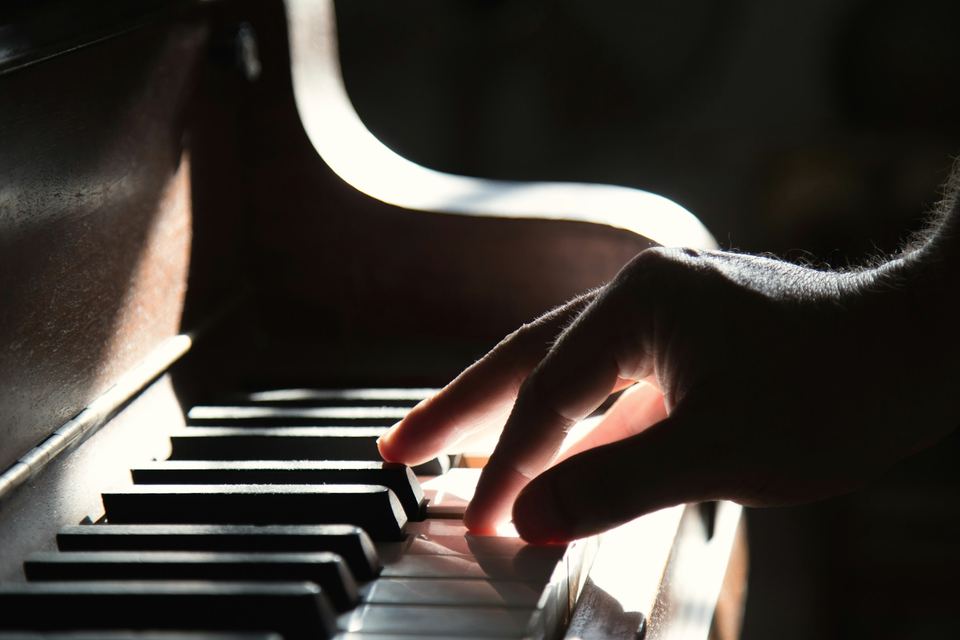
Piano
Scored listeningFrom posture and finding your way around the keyboard to accompaniment, harmony and interpretation. The app listens to your playing during exercises and shows an estimated score.
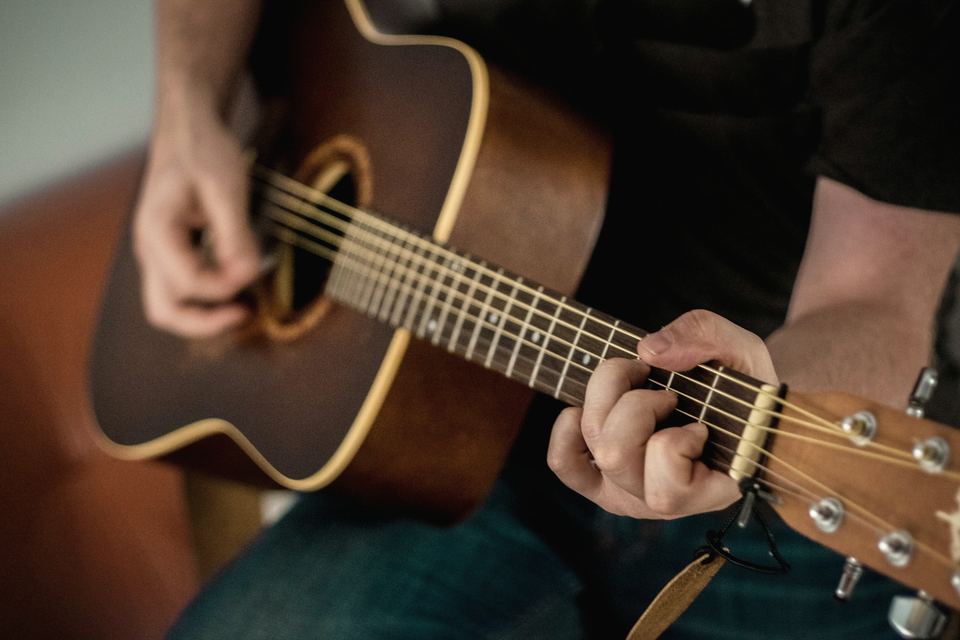
Guitar
Scored listeningPositions, chord changes, reading tablature and working the neck. The app listens to your playing during exercises and shows an estimated score.

Voice
Scored listeningBreath, pitch accuracy, placement and interpretation. The app listens to your singing during exercises and shows an estimated score.
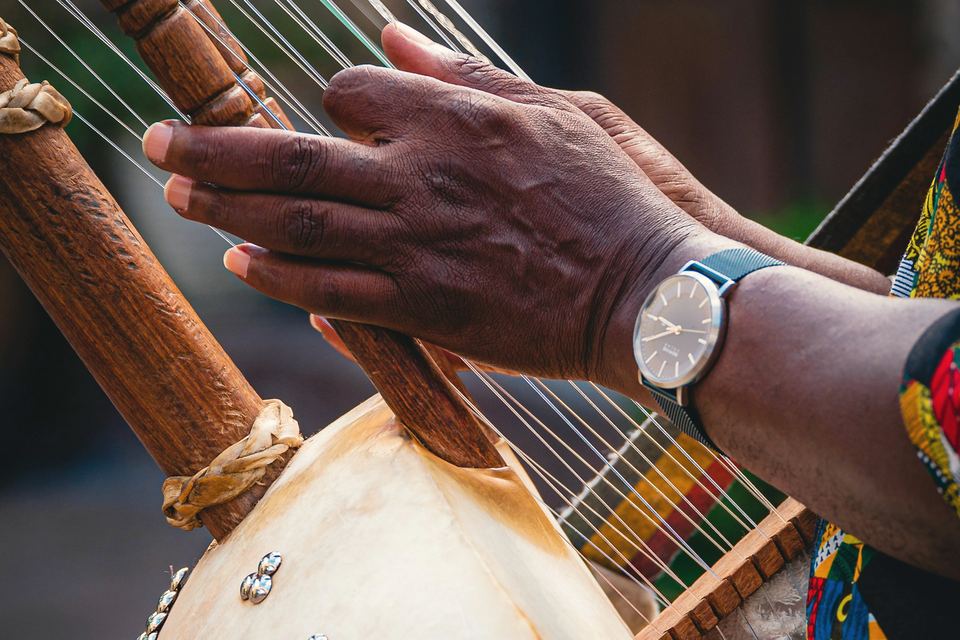
Kora
Experimental listeningYou can follow the program in French or in English. It is presented as a preview, not as a finished program: the reason is explained below.
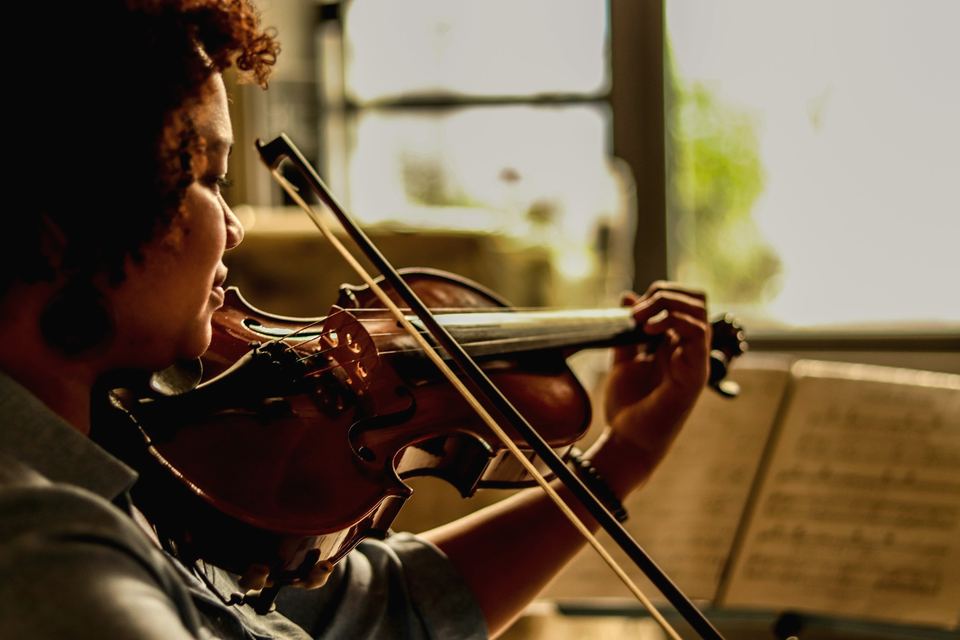
Violin
No automatic scoringHold, bowing, left hand and intonation, all the way to playing in an ensemble. The program is complete, but the device does not assess the violin yet: you play the exercise and the app tells you so.
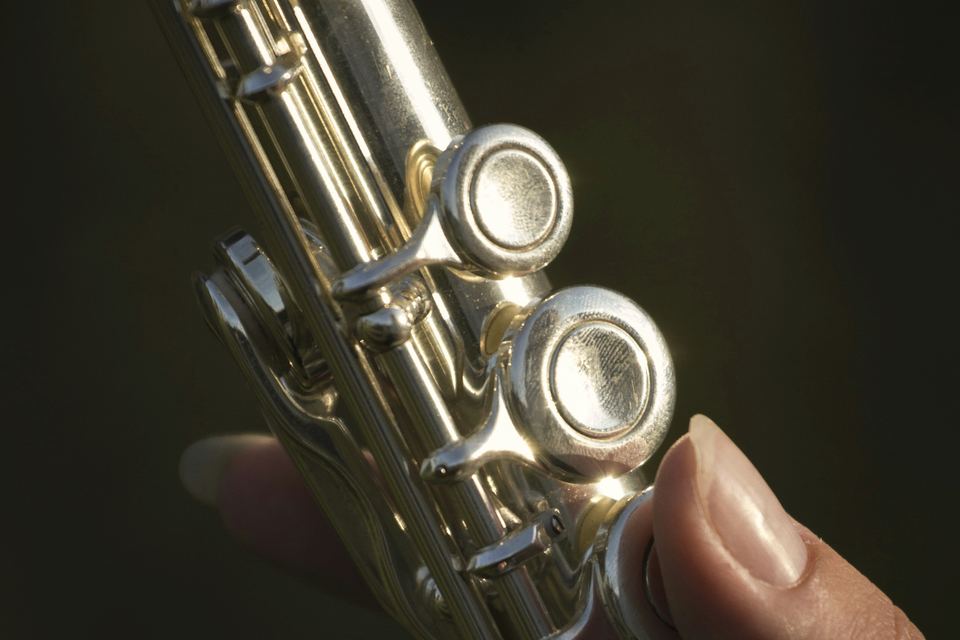
Flute
No automatic scoringEmbouchure, breath, fingerings from C4 to C7 and articulation. The program is complete, but the device does not assess the flute yet: you play the exercise and the app tells you so.
Photo credits (Unsplash): piano, Tadas Mikuckis; guitar, 42 North; voice, Josias Garibay; kora, Matt Benson; violin, Luwadlin Bosman; flute, Eleonora Paolino.
Microphone listening
Three listening levels, shown before you play.
The sound is analyzed on your device, and the results differ from one instrument to another. The app shows its listening level on the exercise itself.
Scored listening
Piano, guitar and voice. The app listens, recognizes sustained notes and shows an estimated score based on your device’s microphone input.
Experimental listening
Kora. Recognition is experimental and may miss notes or passages. It is clearly labelled as a preview and is never presented as finished.
No automatic scoring
Violin and flute. The exercises display and you can play them, but no notes are recognized and the saved result is marked “not assessed by the device”.
Our measurements, in full transparency
We will publish our performance measurements along with their protocol. For now, the results obtained on real recordings do not yet reach our target thresholds.
Play the C major scale, right hand.
8 of 8 notes recognized
The kora, without overpromising
A complete program, with validation work still to do.
The kora has 29 modules and 116 lessons, with their media and exercises. Two validation steps are still outstanding, and neither is a software issue.
No korafola has reviewed this program yet. Whether the notes shown are the ones the player intended depends on the tuning used (tomora ba, silaba, hardino, sauta), on which hand plucks, and on what is melody and what is accompaniment. This validation by a player is still to be done.
A recording session is also missing: strings played on their own, soft and strong attacks, kumbengo and birimintingo patterns, traditional tunings. In the meantime, these lessons rely on generated diagrams, and they say so.
What they share
One structure, a method tailored to each instrument.
Every program starts with a placement test, moves forward module by module and completes each module with an assessment. Six standalone courses round it all out: musician health, stage preparation, reading symbols, instrument care, history and free play.
Choose your instrument and get started.
The first module of every instrument is free, along with the placement test.